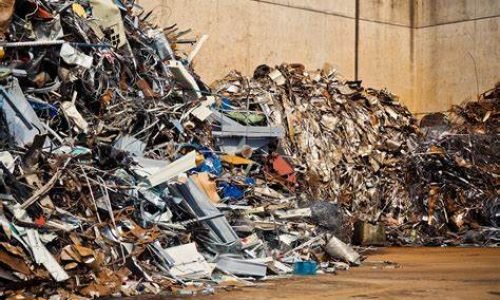
We provide wide variety of services such as collection, recycling, processing, and trading of metal scrape
Automobile Recycling
Automobile Recycling is the process of dismantling and reusing end-of-life vehicles (ELVs) to recover valuable materials, parts, and components. It is an essential component of the automotive industry’s efforts to promote sustainability, resource conservation, and environmental protection.
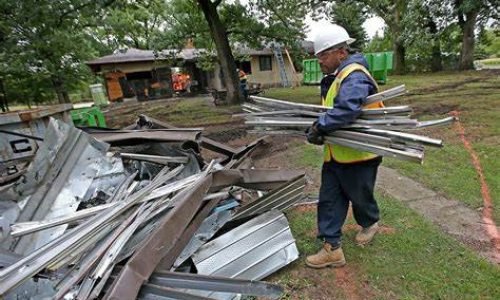
We provide collecting, sorting, and reusing or recycling construction waste generated during building projects. It is an essential aspect of sustainable construction practices aimed at minimizing waste, conserving resources, and reducing environmental impact.
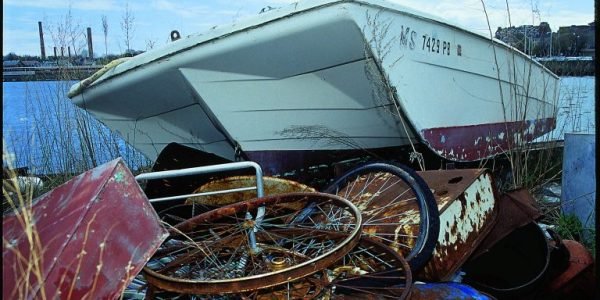
Boat recycling, also known as boat dismantling or boat disposal, involves the responsible disposal and recycling of end-of-life boats or watercraft. It is an essential practice for managing the environmental impact of retired boats and ensuring the sustainable use of resources.
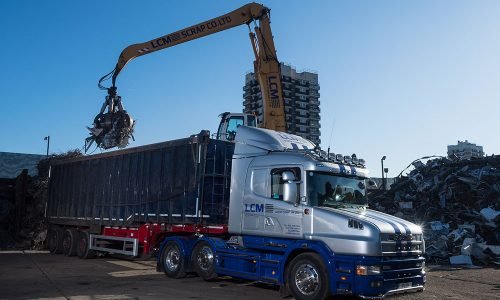
We provide scrape transportation services such as metal, plastic, paper, or electronic waste, from collection points to recycling facilities or processing centers. Scrap transportation plays a crucial role in the recycling industry by ensuring the efficient movement of recyclable materials and facilitating their transformation into new products.
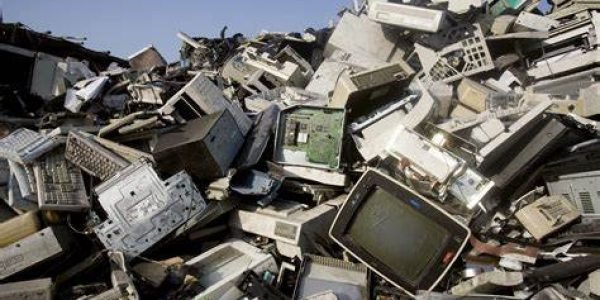
Electronic waste includes a wide range of devices, such as computers, laptops, smartphones, tablets, televisions, monitors, printers, and other electronic gadgets. E-waste is collected from various sources, including households, businesses, schools, government agencies, and electronic retailers.
Foundries generate different types of scrap metal during casting operations. The first step in scrap management is identifying and segregating the various types of scrap, such as clean scrap (e.g., sprues, runners), contaminated scrap (e.g., sand, coatings), and defective castings. Segregation helps ensure that each type of scrap is managed appropriately.